
Tips & links
HVAC maintenance tips from our technicians
Small habits that lower your utility bills and head off repairs, plus the rebate programs and industry resources we point our own customers to.
A year of HVAC care
Your seasonal maintenance calendar
Keeping your heating and cooling in good working order means lower utility bills, a more comfortable home and fewer repairs. Here’s when to do what.
Early fall
- Schedule your heating tune-up before the season starts
- Bleed hot-water radiators
- Vacuum registers and vents
- Test carbon monoxide detectors
Spring
- Schedule your AC tune-up before the heat
- Clear leaves and debris from the outdoor unit
- Clean ductless indoor filters
- Check the condensate drain line
Every month
- Check heating and cooling filters while in use
- Check air cleaner and humidifier filters too
- Listen for new or unusual sounds
- Keep the area around the furnace clear
For the do-it-yourselfers
Simple things that make a real difference
Filters
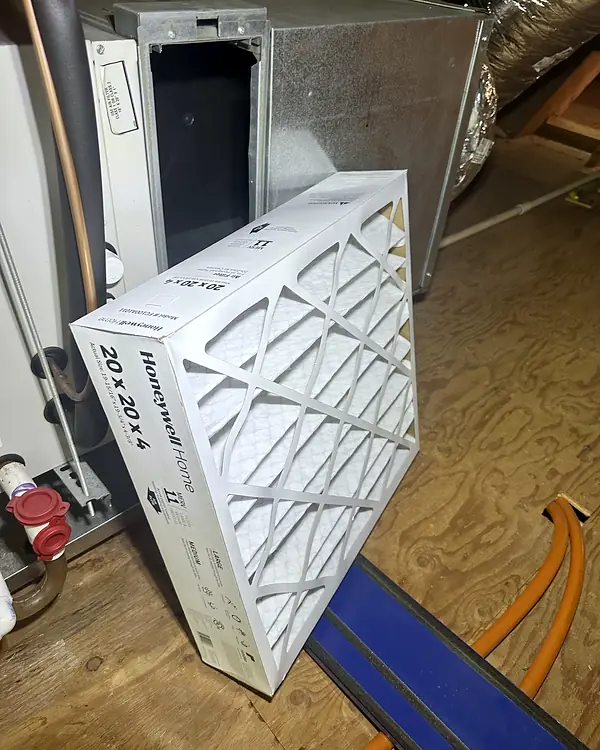
Check your heating and cooling air filters every month while they’re in use. Running your system with old, dirty filters wastes energy and may even damage it. Remember the filters in your air cleaners and humidifiers, too.
System checks
Keep registers and vents free of dust, dirt and pet hair by vacuuming them at least once a year. Listen for odd sounds when the system kicks on. If you hear anything unusual, get in touch so we can head off the problem before it becomes serious.
Don’t keep clutter near your furnace or boiler. It’s a fire hazard and can keep the system from running efficiently. And bleed hot-water radiators at least once a year to improve efficiency and prevent problems down the road.
Leave these to a pro
What a professional tune-up adds
Some of the most important maintenance needs gauges, meters and training: cleaning condenser coils, checking refrigerant charge, clearing condensate drains and cleaning blower wheels. Each one protects efficiency and prevents expensive repairs.
When you sign up for a maintenance agreement, we schedule and bill the work automatically, so it never slips.
How often should I change my air filter?
Check heating and cooling filters every month while the system is in use, and replace or clean them when they're dirty. Running on a clogged filter wastes energy and can damage your system.
How often should I bleed my radiators?
Bleed hot-water radiators at least once a year, ideally before the heating season. It improves efficiency and helps prevent problems down the road.
What sounds should worry me?
Anything new or unusual when the system kicks on: banging, squealing, grinding or rattling. Call a professional early. Most expensive repairs start as a noise someone noticed.
Helpful links
Resources we recommend
Professional organizations
- ASHRAE (opens in a new tab)American Society of Heating, Refrigerating and Air-Conditioning Engineers: advancing the science of HVAC and refrigeration.
- ACCA (opens in a new tab)Air Conditioning Contractors of America, the largest association of HVACR contractors.
- NATE (opens in a new tab)North American Technician Excellence, the HVACR technician certification body.
- PHCC (opens in a new tab)Plumbing-Heating-Cooling Contractors Association.
- RSES (opens in a new tab)Refrigeration Service Engineers Society: training, seminars and technical exams for HVACR professionals.
Energy, rebates & indoor air
- NYSERDA (opens in a new tab)New York State Energy Research & Development Authority: efficiency programs, analysis and funding for New Yorkers since 1975.
- Con Edison rebates (opens in a new tab)Electric and natural gas incentives for residential customers.
- The Inside Story: A Guide to Indoor Air Quality (opens in a new tab)U.S. EPA.
- A Brief Guide to Mold, Moisture and Your Home (opens in a new tab)U.S. EPA.
- Luxaire (opens in a new tab) · Mitsubishi Electric (opens in a new tab)Manufacturers of equipment we install and service.
Need heat, cooling or a second opinion?
Talk to a real person at All State: day, night or weekend.